Understanding the Role of Art Logistics Tracking in Asia’s Postal Courier Industry
Hey there! If you’ve ever wondered how valuable artworks and precious items are safely transported across the vast and diverse continent of Asia, you’re in the right place. I’ve been working as a postal courier for quite some time now, specializing in handling delicate shipments—especially in the realm of art logistics tracking. This field is super important because moving artwork isn’t your regular package delivery. It requires extreme care, precise timing, and a reliable tracking system to make sure every piece arrives intact and on schedule.
When you talk about carriers in the Asian region, you’re dealing with a wide range of challenges—from geographical variations and regulatory hurdles to varied infrastructure quality. Each of these elements impacts how courier companies, including myself, deliver art and valuable shipments securely and efficiently. Art logistics is a specialized sector of the courier industry that handles masterpieces, antiques, sculptures, and other fine art items. The stakes are high because the value isn’t just monetary; it’s cultural and emotional too.
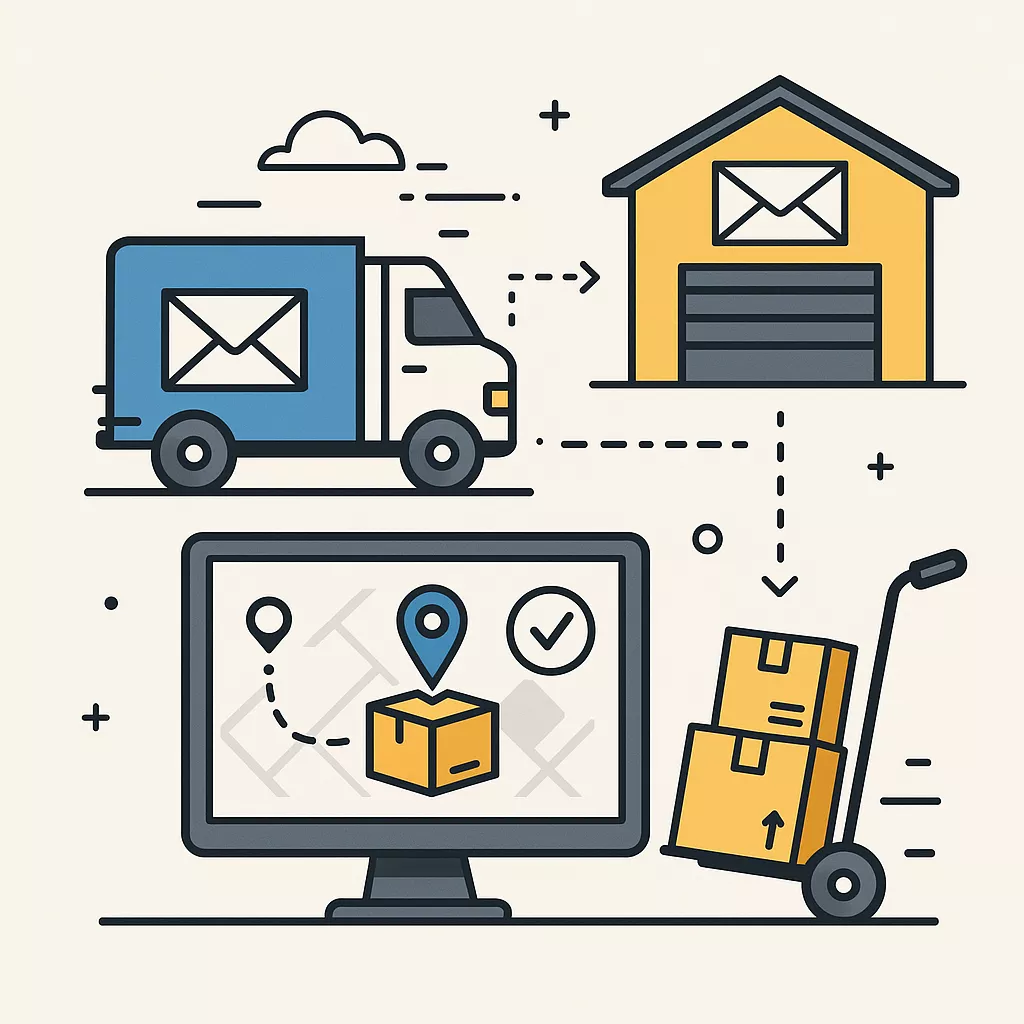
One thing I always emphasize is the importance of art logistics tracking technology when working in this area. It gives me and my clients peace of mind to know exactly where an artwork is at any given moment. Having precise tracking means fewer chances of loss, delayed delivery, or damage. Asian countries vary widely in their logistics capabilities, so having a system that can provide real-time updates regardless of where the package travels is a game changer.
Why Art Logistics Tracking is Essential for Carriers in Asia
In my experience handling deliveries throughout Asia, there are several reasons why specialized tracking is an absolute necessity in this field:
- Security: Artwork is often the target for theft or mishandling. With real-time tracking, it’s easier to identify and react to suspicious activities.
- Temperature and handling monitoring: Many artworks require strict climate control during transport to prevent damage. Modern tracking systems often include sensors that notify us if conditions are off.
- Customs and regulations: Asia is home to so many countries with diverse rules. Tracking helps streamline customs clearance by providing timely and accurate shipment data.
- Customer confidence: Knowing their precious cargo is being carefully monitored boosts client trust, which is huge in this industry.
Dealing with art shipments in Asia often means crossing several countries, each with its own customs procedures and transportation infrastructure. For example, when I deliver from Tokyo to Singapore or from Mumbai to Bangkok, the transit involves various modes—air, rail, truck, and sometimes even sea freight. The complexity here is huge. That’s why carriers must rely on outstanding logistics software paired with smart tracking devices to keep the flow smooth.
The Challenges of Being an Art Courier in Asia
Working as a postal courier for art in Asia comes with unique challenges, compared to standard mail or package delivery. Here are some issues I regularly face:
- Infrastructure differences: Some regions have well-developed transport systems, while others may have rougher roads or limited flights. This variability impacts delivery times.
- Weather: Asia has monsoon seasons, typhoons, and extreme heat in some areas, all of which can affect delicate cargo and causing delays.
- Strict customs regulations: Navigating customs clearance for art can be tricky due to different documentation and inspection demands.
- Handling requirements: Artworks often need special packaging, including crates, cushioning, and climate control.
- Trust and liability: As a courier, the responsibility weighs heavily when the cargo is irreplaceable or of massive value.
But despite these challenges, I wouldn’t trade my role for anything. It’s rewarding to know that I’m part of a trusted network that helps preserve and showcase culture by getting art safely from one place to another.
Technological Tools That Improve Art Logistics in Asia
Technology truly makes a huge difference in my daily work. Over the years, the tools we use for art logistics tracking have become more advanced and user-friendly. Here’s what I rely on:
- GPS Trackers: These allow precise real-time location data. Some are small and can be hidden inside packaging to keep the shipment secure.
- Environmental Sensors: Monitor temperature, humidity, and shock to ensure the art isn’t exposed to harmful conditions.
- Digital Documentation: Streamlined paperwork and electronic customs declarations reduce processing time and mistakes.
- Communication Apps: Connectivity with clients and customs agents lets me quickly share updates or resolve issues.
- AI and Predictive Analytics: Some carriers are beginning to use AI to predict potential delays or risks based on historical data.
In Asia, where borders and currencies change often, this tech keeps things transparent and efficient. It also helps me keep my customers in the loop, which is crucial because most want to know their art’s progress step-by-step.
Best Practices for Safe Art Courier Services in Asia
Based on what I’ve seen and learned, here are some tips I follow and recommend for anyone involved in art logistics here:
- Choose experienced carriers: Make sure the courier understands art-specific needs.
- Pack professionally: Use the right materials and crate designs that protect the art from shocks and environmental factors.
- Be aware of regulations: Follow import/export laws strictly to avoid customs issues.
- Use tracking services: Always opt for real-time tracking to monitor your shipment continuously.
- Maintain communication: Keep clients and all stakeholders informed at every stage.
When I plan a shipment, I double-check packing, label everything clearly, confirm transport arrangements, and consult the customer on special instructions. This helps reduce any risks and ensures smooth delivery.
The Future of Art Logistics and Postal Couriers in Asia
Looking ahead, I believe the art logistics sector in Asia is going to keep evolving rapidly. The rising number of art auctions, exhibitions, and collectors is creating more demand for specialized courier services. Plus, Asian cities are becoming global culture hubs, which means more international art shipments will flow through the region.
Technologically, improvements in AI, IoT, and blockchain might be integrated more in our systems to improve security and transparency. For those of us in the courier business, adapting to these advancements is vital for staying competitive and trusted by clients.
In conclusion, working as a postal courier for art in Asia is both challenging and fulfilling. The need for precision, care, and trust is unmatched, and having the latest tracking systems is a must-have for success. If you’re interested in shipping valuable pieces or want to learn more about how art logistics tracking works, you’ll find a world of options emerging in Asia’s growing market.